The AI Threshold: Why ChatGPT and the World Protocol Are the Only Two Players That Matter Right Now
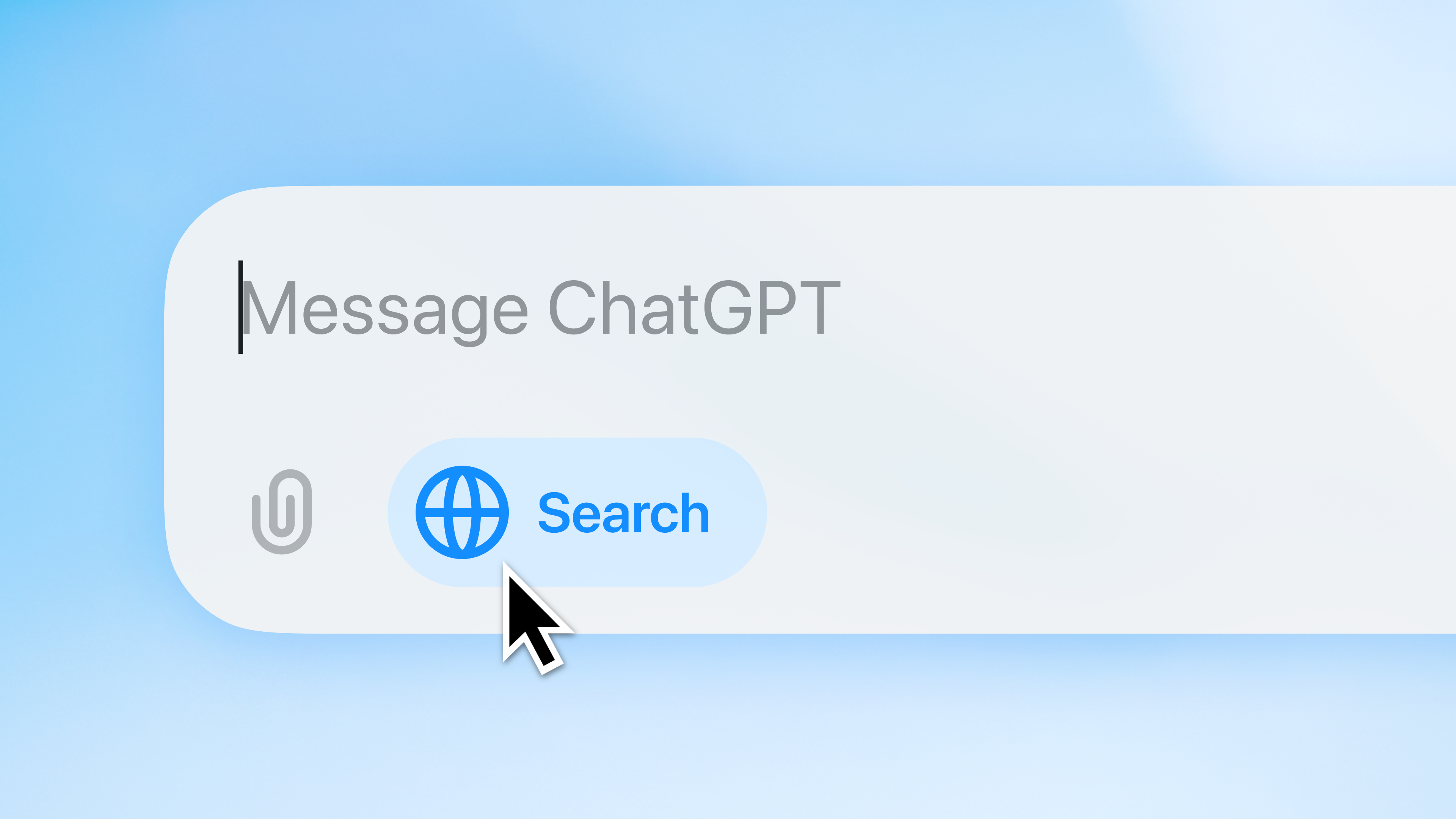

In our era of hyper-connectivity, we are crossing a threshold into a reality where the human experience is being partitioned, calculated, and rewritten. While the tech market is flooded with noise, two entities stand at the epicenter of this evolution: ChatGPT (led by OpenAI) and the World identity protocol (co-founded by Sam Altman). These are not merely products; they are the foundational architects of the next decade, one defining the evolution of the mind, the other the verification of the body.
The Bento-Grid
Understanding the 2026 Landscape
🧠 The Mind (ChatGPT)
LLMs now act as the primary curators of human knowledge.
🆔 The Identity (World)
Moving from biometric scans to sovereign, bot-resistant identity.
⚡ Multimodal Reasoning
Shifting from static tools to predictive AI partners across global systems.
🔒 Decentralized Security
Prioritizing data privacy parameters via bleeding-edge Zero-Knowledge Proofs (ZKPs).
1. Beyond Bitcoin and Doge: The Utility Paradigm
The cryptocurrency landscape in mid-2026 has matured, leaving behind the speculative volatility of the early 2020s. While Bitcoin maintains its status as "digital gold" and Dogecoin persists through community-driven liquidity, the World protocol serves an entirely different purpose: the "Proof-of-Personhood" (PoP) layer.
2. The Great Pivot to Privacy-First Identity
The "Orb"—the protocol's iconic verification device—triggered critical global debates regarding the fragility of biometric data between 2023 and 2025. By mid-2026, the project has pivoted significantly toward enterprise-grade, privacy-preserving infrastructure.
3. ChatGPT: The Architect of the Mind
ChatGPT has moved beyond the "chatbot" label to become a versatile, multimodal reasoning engine. As of February 2026, it reached 900 million weekly active users, making it the most significant interface for human-computer interaction in history. Its popularity is driven by its ability to synthesize diverse data inputs—text, imagery, and complex datasets—to solve multi-step problems that once required human teams.
OpenAI's recent focus on longer context memory and coding automation has transformed it from a simple text generator into a professional productivity tool integrated into global workflows, currently generating a ~$25 billion run-rate. With the release of models like GPT-5.5, the system now tracks evolving user intent more effectively, calibrating tone and avoiding the overly rigid structures of its predecessors.
4. The Rising Tide of AI Fraud
We are living in the "AI Slop Era," where over 500 million AI-generated images are created every day. In 2026, financial services report that 1 in 7 digital onboarding fraud attempts involves a deepfake element.
5. Why These Two Players Matter Most
The synergy between ChatGPT and the World protocol reflects the dual challenges of the current era: the need for advanced intelligence and the need for human verification.
6. The Future: A Human-Centric Web
As we navigate 2026, we are entering a "Nature Distilled" aesthetic—a movement toward calm, conscious, and captivating digital experiences.
The convergence of ChatGPT's widespread adoption—serving over 92% of Fortune 500 companies—and World's push toward a privacy-preserving identity layer represents the ultimate "iPhone moment" for the AI era. By standardizing how we communicate with machines and how we prove our existence, these two players are setting the rules for the next century of digital interaction.
Conclusion: Navigating the New Digital Frontier
The intersection of advanced artificial intelligence and decentralized proof-of-personhood marks a permanent shift in how humanity operates online. We are no longer simply looking at tools that improve productivity or secure digital wallets; we are looking at the new infrastructure of societal trust. As ChatGPT redefines the boundaries of human cognition and intellectual output, the World protocol creates a protective barrier around human identity itself.
Surviving and thriving in this upcoming era requires a careful balance. Complete dependence on automated networks risks losing human agency, while total rejection of AI infrastructure guarantees economic obsolescence. The path forward belongs to those who actively adopt advanced intelligence systems while strictly protecting their digital identity, sovereignty, and cryptographic footprint on a rapidly evolving web.
Are we ready for an AI-managed economy? Is your identity a tradeable asset? Join the conversation in the comments below.
Comments
Post a Comment