Sun, Sand, and Screens: The Best Bright-Display Smartphones That Won’t Go Dark at the Beach (2026 Edition)
The Ultimate Summer Display Guide
Don't let glare ruin your paradise. Meet the screens built to beat the midday sun.
Picture this: You are relaxing on a pristine beach, the ocean waves are gently crashing in front of you, and the midday sun is radiant. You hear a notification chime, pull out your phone to read a quick text or frame a stunning coastal photo, and... nothing. Your screen has essentially transformed into a high-gloss mirror reflecting your own face, or it has faded into a dark, unreadable slate of glass.
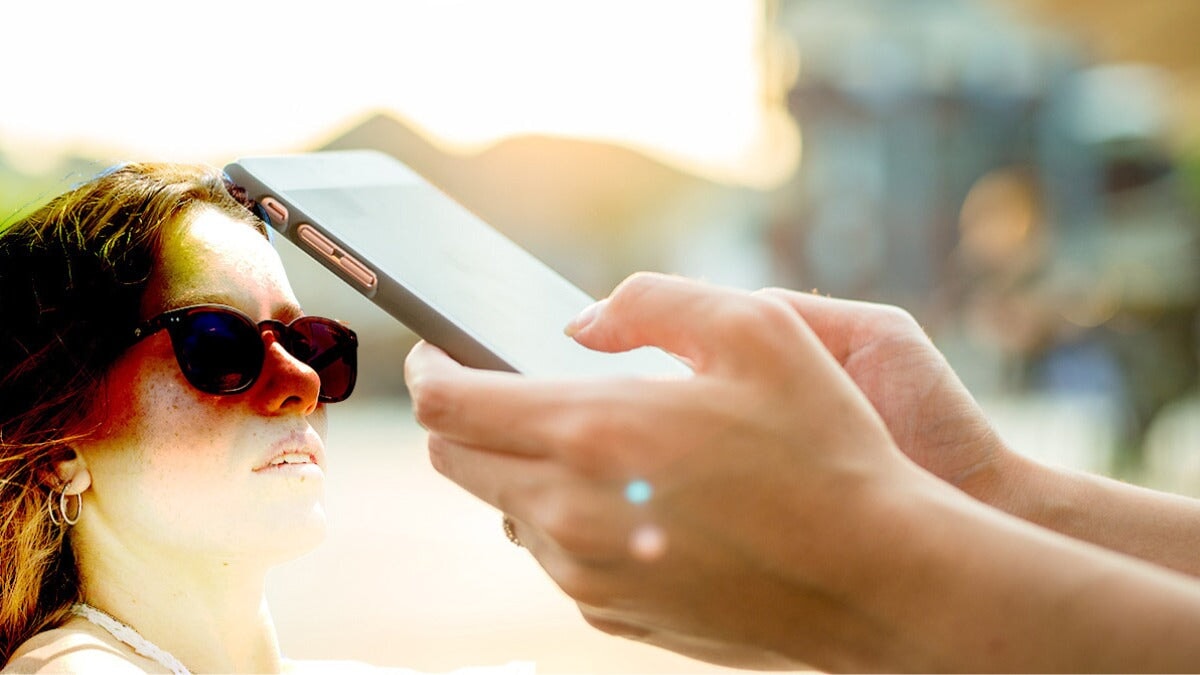
Bright beach settings pose the ultimate challenge for standard phone displays.
For years, direct sunlight has been the ultimate kryptonite for mobile displays. To read a basic email or look at a map outdoors, we have been forced to clumsily cup our hands over our screens, run to the nearest beach umbrella, or maximize our brightness sliders until our phone batteries scream for mercy. Fortunately, the smartphone landscape has dramatically evolved. Manufacturers are no longer just pushing brute-force brightness; they are re-engineering screen glass to actively combat outdoor glare.
In this comprehensive summer guide, we break down the absolute best smartphones on the market that you can seamlessly use on the sunniest shores without their screens going dark. We will look past marketing buzzwords to examine the real-world metrics—like nits and anti-reflective layers—that genuinely impact your outdoor visibility.
The Secret Weapon Behind Outdoor Visibility: Nits vs. Glare
To find a true sun-proof device, you need to understand the two mechanical factors that dictate outdoor performance. Up until recently, phone companies focused almost exclusively on the first factor, but the smartest flagships are now dominating due to the second.
1. Peak Brightness (Measured in Nits)
A "nit" is a standard unit of measurement for luminance (how much light an electronic display emits). One nit is roughly equivalent to the light of a single candle per square meter. For context, older smartphones usually topped out around 500 to 800 nits, which is why they looked completely washed out on a clear day. Modern flagship phones routinely boast peak brightness levels scaling from 2,500 to over 3,500 nits under localized, high-ambient light environments.
2. Anti-Reflective (AR) Glass Coating
Brute-force brightness uses a heavy amount of processing power and drains your battery incredibly fast. The real game-changer is physical glare reduction. When a display is treated with a dedicated anti-reflective coating, it alters the way light waves bounce off the glass surface. Instead of acting like a clean mirror, the glass diffuses or absorbs ambient sunlight, minimizing harsh reflections by up to 75%. This allows lower brightness settings to remain deeply crisp and perfectly legible.
The Elite Smartphones for Beach and Outdoor Use
Let’s look at the absolute best premium devices currently dominating outdoor legibility tests, comparing how their hardware tackles real-world ambient conditions.
🏆 The Undisputed King: Samsung Galaxy S26 Ultra
If your absolute priority is sitting flat on a beach lounger and reading your screen comfortably without angling the phone away from the sun, the Samsung Galaxy S26 Ultra is the benchmark. While it features a highly robust 2,600-nit peak brightness panel, its true advantage lies in its specialized outer glass construction.
Samsung equips the Ultra line with an exclusive Gorilla Glass Armor layer that reduces onscreen reflections by a staggering 75%. Instead of a sharp, blinding white reflection of the sky, sunlight is diffused smoothly across the display. Independent lab and outdoor viewing tests verify that it drastically outshines its competitors when viewed head-on and from steep, 45-degree angles on sunny days.
Premium display glass engineering allows new flagship panels to maintain contrast right over open sand panels.
🍏 The Apple Standard: iPhone 17 Pro Max
Apple has significantly stepped up its display game with its latest high-end flagship, upgrading the Super Retina XDR display to hit an impressive 3,000 nits of peak brightness. When the iOS ambient light sensors detect heavy, unfiltered outdoor rays, the phone automatically kicks into an advanced high-brightness mode that pushes maximum illumination to clear up text and retain contrast.
While Apple’s classic Ceramic Shield glass provides world-class drop protection, it lacks the specialized deep anti-reflective treatment found on the Galaxy Ultra. However, it compensates with superb color accuracy and adaptive ProMotion tuning, ensuring that streaming videos or reviewing outdoor travel photos looks incredibly punchy and vivid even while catching rays.
🤖 The Brightness Monsters: Google Pixel 10 Pro XL & OnePlus 15
If you prefer sheer luminous power, Android powerhouses are pushing technical limitations to the absolute edge:
- Google Pixel 10 Pro XL: Google’s elite Super Actua display hits a dazzling 3,300 nits of peak brightness. It handles direct sunlight with extreme efficiency, maintaining beautiful viewing angles and exceptional legibility for map tracking and outdoor photography.
- OnePlus 15: For pure raw power, the OnePlus 15 leads mainstream metrics with an astronomical 3,500-nit peak capability. It functions almost like an active flashlight to break through ambient lighting, though users should note it lacks a premium anti-glare screen layer, making it more prone to glossy mirrors of the sky than the Galaxy Ultra series.
Quick Display Comparison Chart
The Critical Beach Survival Tips for Smartphones
Even if you own the brightest phone money can buy, the beach presents environmental hazards that can completely override your hardware's capabilities. If you want your display to stay bright all day, follow these three non-negotiable rules:
1. Watch Out for Thermal Throttling
When a phone pushes its internal display engine to emit 3,000+ nits, it generates immense internal heat. Combine that with a hot summer sun radiating onto the dark back glass panel of your phone, and the internal temperatures will spike rapidly. To protect the lithium-ion battery from catastrophic damage, your phone's operating system will automatically drop its brightness down to roughly 20-30% within 5 to 10 minutes.
Once thermal throttling kicks in, your screen will look completely dark, and no manual slider adjustment can force it back up until the phone cools down. The Fix: When you aren't actively using your device, store it inside a cooler bag, wrap it inside a light-colored beach towel, or keep it resting completely under an umbrella out of direct sunlight.
2. The Polarized Sunglasses Dilemma
Polarized sunglasses are fantastic for eliminating ocean glare, but they work by utilizing a chemical filter that blocks specific horizontal light waves. Because smartphone screens also use polarization layers to control light distribution, looking at your phone while wearing polarized sunglasses can cause the screen to look completely black or severely distorted at certain angles. If your screen suddenly goes pitch dark when you rotate it sideways to snap a horizontal landscape photo, simply tilt your head slightly or slide your sunglasses down to fix it.
3. Beware of Sand Micro-Scratches
Beach sand is primarily composed of tiny, crushed quartz particles. Quartz is incredibly hard—measuring a 7 on the Mohs hardness scale—meaning it is harder than almost any standard smartphone screen glass. Even a few stray grains of sand sliding around inside your beach bag or pocket can leave deep micro-scratches right across your display. These tiny scratches capture and refract light unevenly, making your screen significantly harder to view under the sun over time. Always clear your pockets of sand and use a protective sleeve or baggie for transit.
🌊 Essential Resources & Links:
Looking to pick up your next sun-ready device or dive deeper into display performance analysis? Click the high-visibility buttons below:
Final Verdict: Which Phone Should Pack for Vacation?
If you want a flawless, worry-free vacation experience, the Samsung Galaxy S26 Ultra is the ultimate choice due to its anti-reflective coating that physically eliminates 75% of your problems. For iOS ecosystems, the massive 3,000-nit power of the iPhone 17 Pro Max ensures you won't miss a beat, provided you keep it shaded when idle to prevent thermal overheating. Keep your device cool, safeguard it from quartz sand grains, and enjoy your pristine, sun-filled beach days with maximum visibility!
Comments
Post a Comment